Greenhouses
The Types of Greenhouses we offer
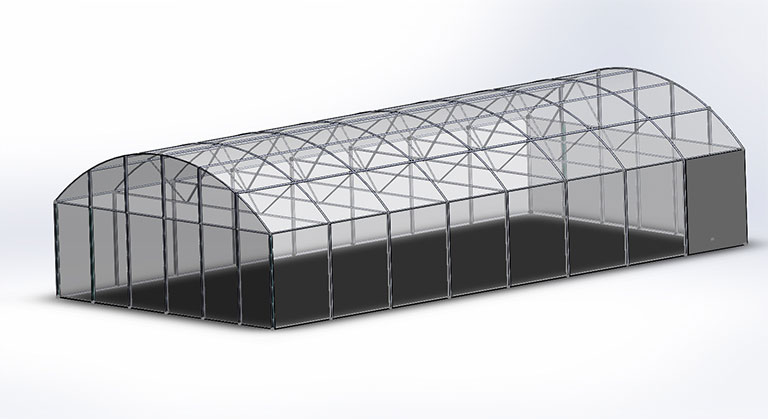
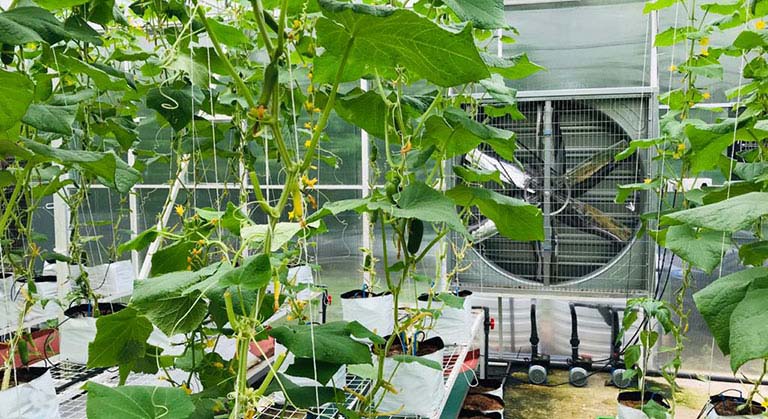
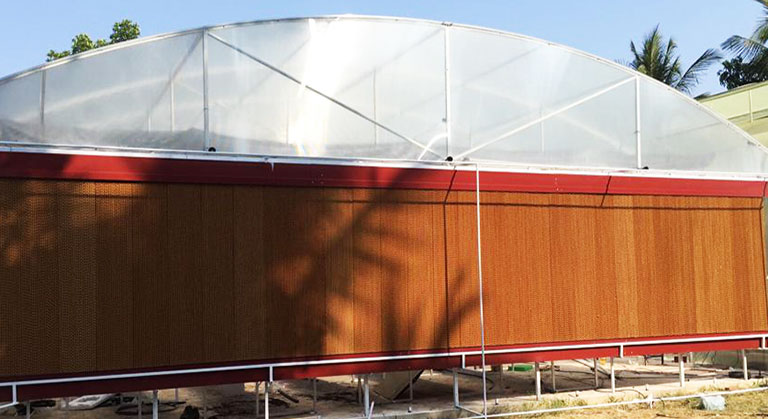
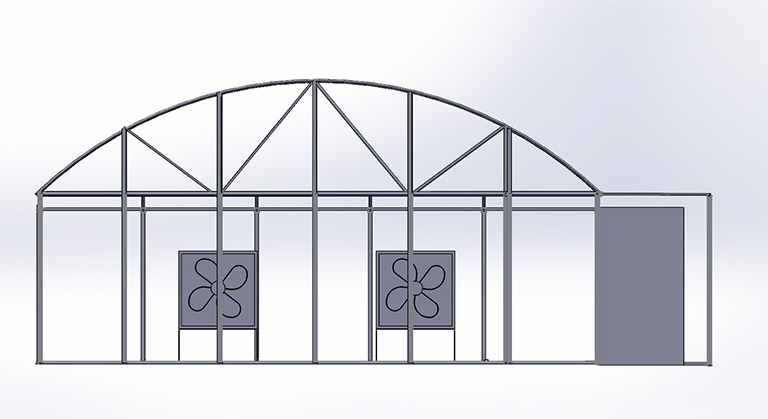
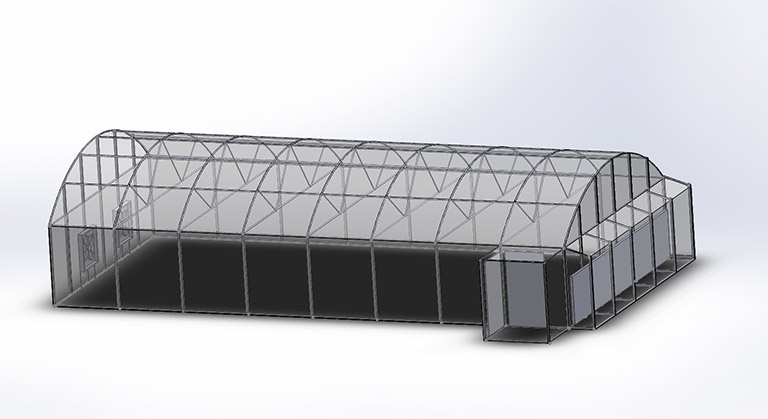
01. High Tech Temperature Control Greenhouse
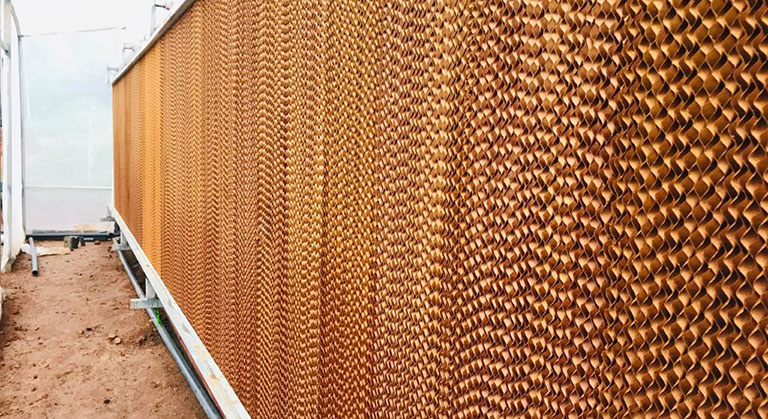
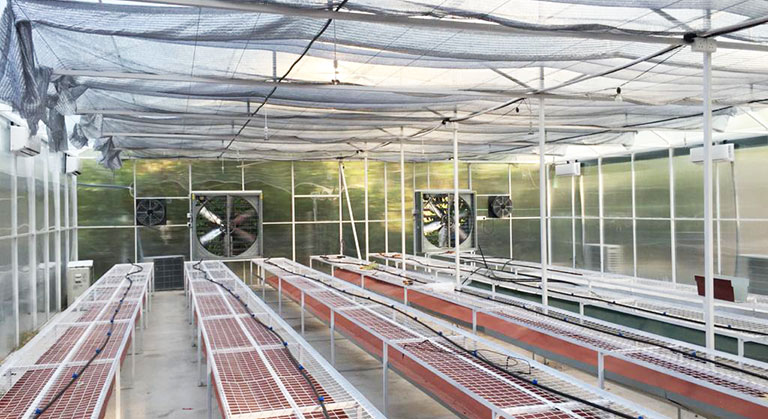
Greenhouse temperature rises under intense sunlight and it referred to as “solar gain”. To enter the greenhouse, light must travel through the greenhouse glass or plastic, during that process the light loses some of its energy which converts to heat. Without a cooling system, the temperature and humidity within the greenhouse can rise to over + 45 °C. To successfully optimize the environment within the greenhouse means countering the adverse effects of the external environment with the proper greenhouse controls and automation to ensure temperature and humidity levels stay optimal for crop health and growth.
By using Greenhouses with High Tech Temperature Controls, allow growers to minimize labor work, improve efficiency in resource and proper chemical use while optimizing yield rates.
Four additional benefits of High-Tech Greenhouses
Maintain ideal Micro-Climate conditions
Enhance irrigation and fertilization practices
Control infection and avoid disease outbreak
Prevent thefts and improve security

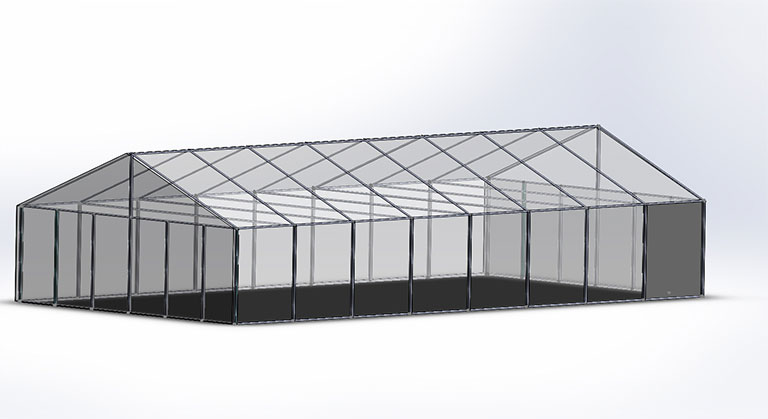
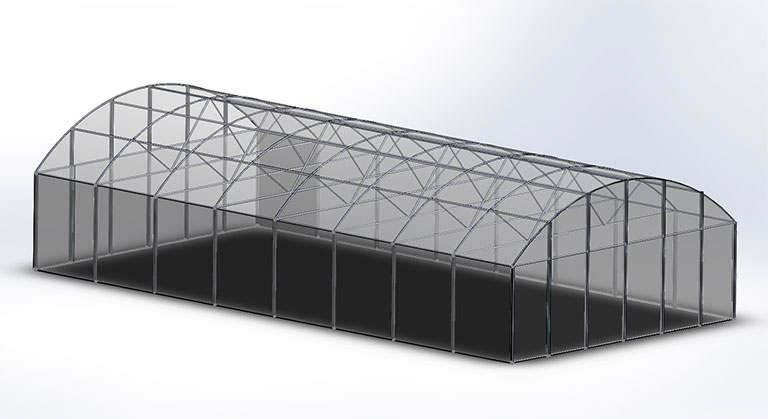
02. Poly Tunnels
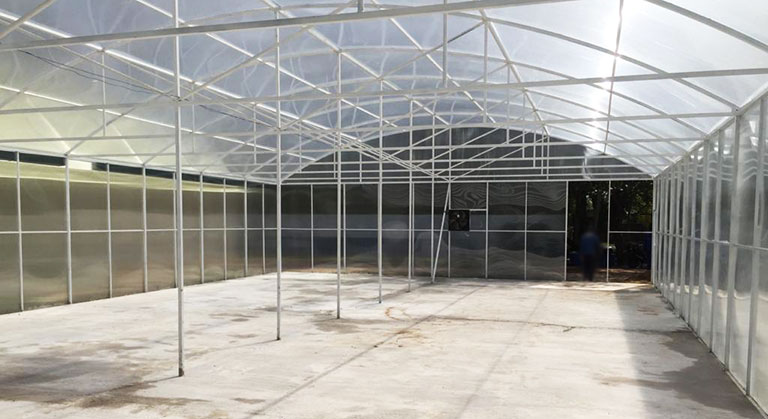
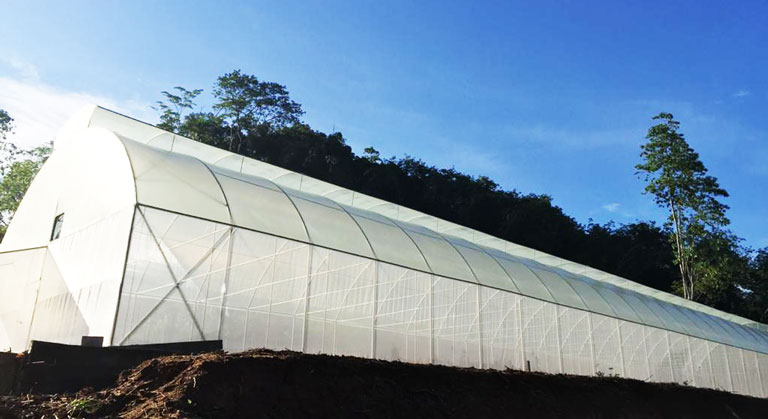
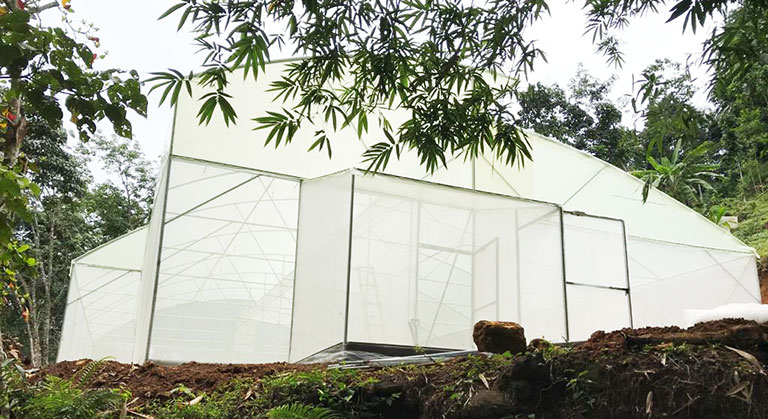
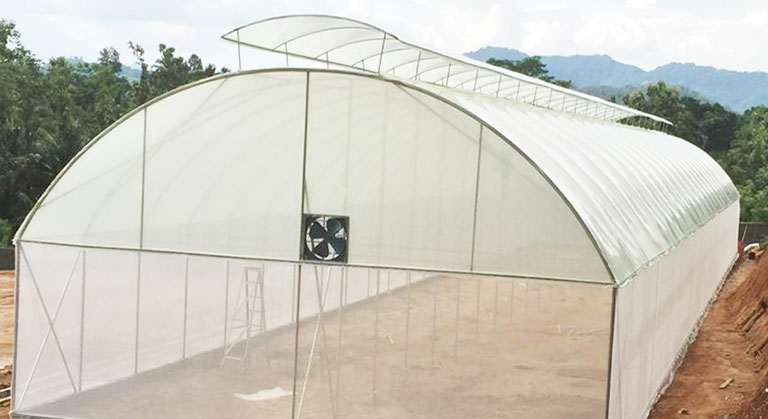
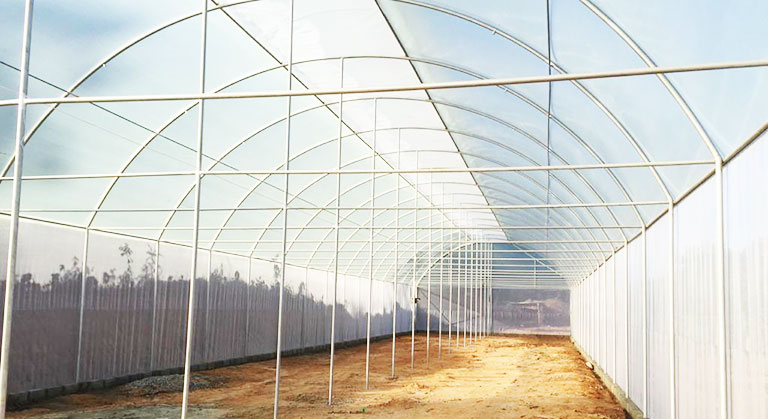
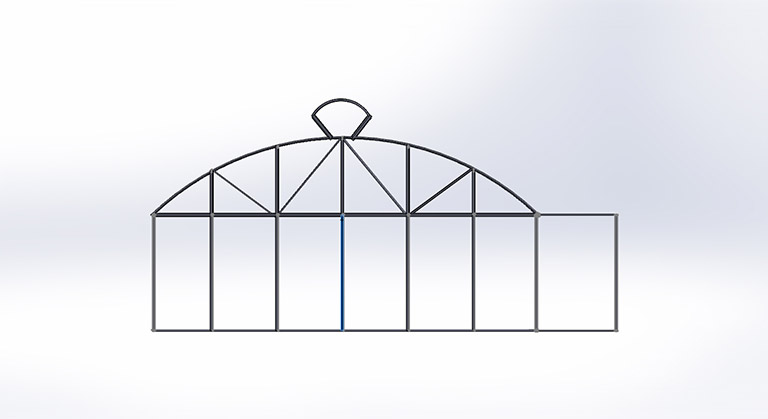
Polytunnels can be used to provide a higher temperature and/or humidity than which is available in the environment but can also protect crops from intense heat, bright sunlight, wind, hailstones, and cold waves. This allows fruits and vegetables to grow at times usually considered as off season. Market gardeners commonly use polytunnels for season extensions. Beyond season extension, polytunnels are also used to allow cold-hardy crops to overwinter in regions where their hardiness is not quite strong enough for them to survive outdoors. Temperature increases of only 5 to 15 °C (9 to 27 °F) above outdoor ambient, coupled with protection from the drying effect of wind, are enough to let selected plant varieties grow slowly but healthily instead of dying.
Polytunnels are often used in vegetables, floriculture and plant nurseries, as the revenue value of the plants can justify the expenses.
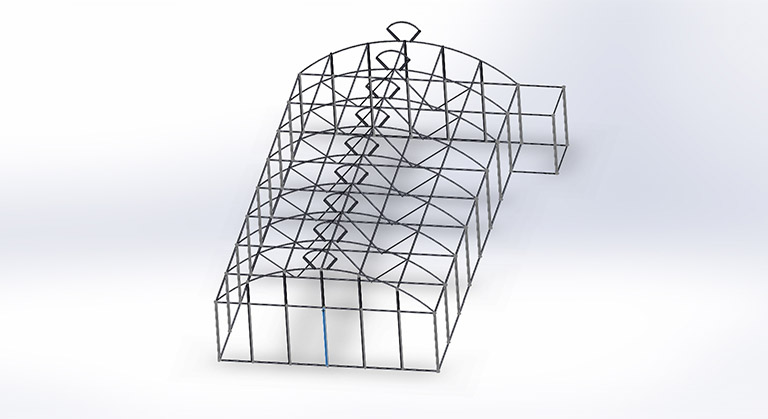
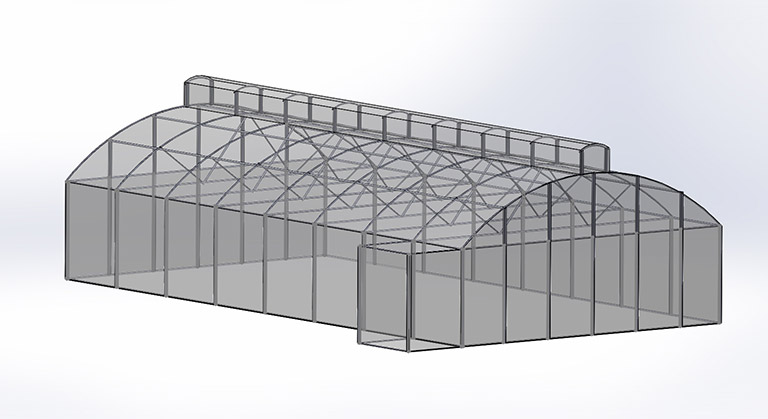
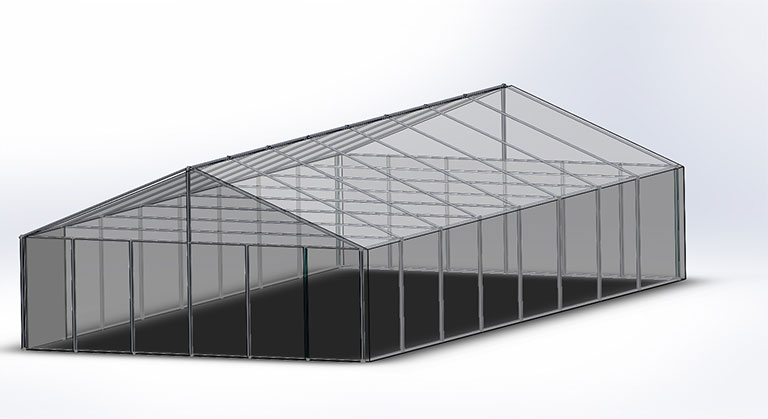
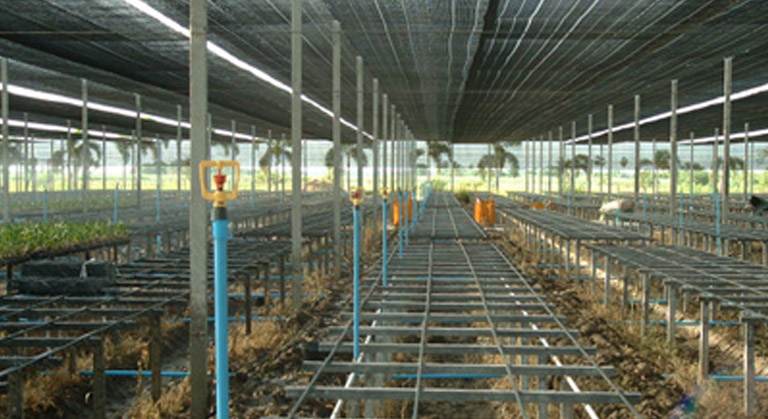
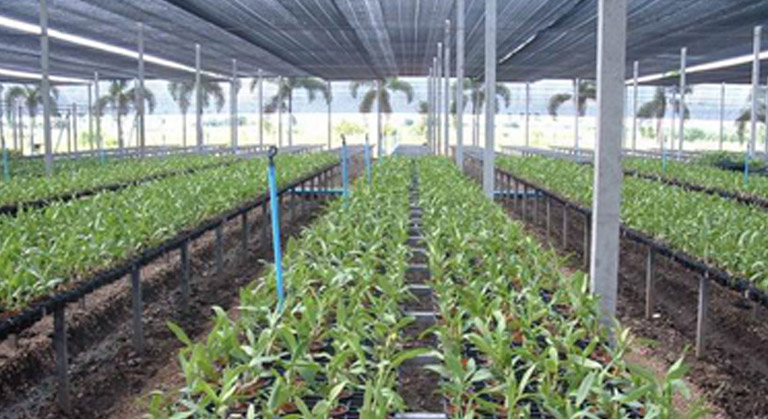
03. Shade House
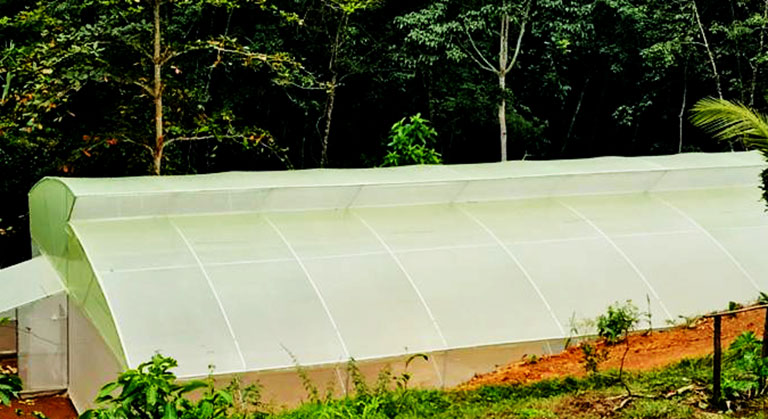
Utilizing a shade house is necessary when you have shade loving plants. It protects your plants from insects and environmental disturbances like extreme heat and strong wind. Shade houses also help improve the growth of plants.
The shade house also increases the density of the crops, improves colors of the fruits, and most importantly it increases the effectiveness of beneficial insects, which are used for management, biological control and pollination. A crop under the shade cloth allows the use of agricultural equipment; the vertical exploitation of the cultivation space reduces hydrological and thermal stress (reducing the day-night thermal delta), which prevents the fruits from cracking. The shade cloth in general decreases the need and dosage of agrochemicals and thus, the toxic waste in vegetables and its fruits, and it is easy to use.